
030°Ship management

One manager, one clear agreement
Full ship management brings technical, commercial and operational duties together, so the vessel is kept safe, crewed, compliant and ready to trade.
060°Three disciplines
What a ship manager actually does
Technical
The vessel as an asset: maintenance, repairs, spares, surveys and dry-docking, handled through technical management.
Technical management → 02Commercial
The vessel as a business: estimates, voyage monitoring, port costs, claims groundwork and reports.
Commercial support → 03Operational
The vessel at work: crew, supplies, safety systems, port coordination and communication with the ship.
Crew and operations →090°Responsibility wheel
Click a spoke to see who handles what
Eight areas of ship management, and the usual split between manager and owner for each.
Technical
Plans and tracks maintenance, orders spares, prepares surveys and dry-docking, follows up repairs.
Approves the annual budget and any major repair or upgrade spending.
Crew
Recruits, checks certificates and medicals, issues contracts, plans rotations, coordinates wages and welfare.
Sets manning policy and may approve senior appointments, if agreed.
Safety
Keeps the safety management system alive, schedules drills, prepares audits, tracks certificates.
Holds ultimate responsibility for the vessel and reviews audit outcomes.
Operations
Coordinates port agents, supplies, voyage execution and day-to-day communication with the ship.
Decides how the vessel is traded and employed.
Commercial
Prepares estimates, monitors performance and assembles claims paperwork, as scoped.
Takes final fixture decisions and keeps signing authority unless delegated.
Purchasing
Obtains quotes, buys within approved limits and follows up deliveries and invoices.
Sets approval limits and any preferred supplier policy.
Insurance
Gathers incident facts, supports claims files and coordinates with surveyors and brokers.
Places and holds the cover and decides on settlements.
Accounts
Keeps vessel accounts, tracks spend against budget and issues regular reports.
Funds the vessel account and approves the budget.
Illustrative only. The real split is written into each ship management agreement.
120°The agreement

The paper that keeps everyone on course
A ship management agreement defines what the manager does, what the owner decides and how both stay informed. Industry standard forms are often used as a starting point, then adapted to the vessel. Clear wording here prevents most later misunderstandings.
- Scope of services, listed duty by duty
- Authority limits and approval thresholds
- Reporting content and rhythm
- Budget process and termination terms
150°Choosing a model
In-house, outsourced or hybrid?
No single model fits every owner. This is a neutral comparison, not a recommendation.
180°Taking over a vessel
Five steps to a smooth handover
- 01
Review the records
Certificates, class status, maintenance history, open defects.
- 02
Inspect the vessel
An attending visit to see condition first hand.
- 03
Agree the plan
Maintenance, drydock timing, budget and crew arrangements.
- 04
Set up reporting
Formats, frequency and who receives what.
- 05
Run and review
Regular checkpoints to adjust scope and priorities.
210°Staying informed

Reports that get read
Owners do not need more paper; they need the right facts at the right moment. Reports focus on what changed, what is due next and what needs a decision. Details on voyage reporting and safety follow-up are on their own pages.
- Condition and maintenance progress
- Spend against budget
- Crew and certificate status
- Upcoming surveys and inspections
240°By vessel type
Management priorities by vessel type
Tanker
Cargo systems, tank cleanliness, pollution prevention and vetting readiness lead the agenda.
Charterer inspections such as SIRE are a regular event, so records and defect close-out matter.
Services that usually matter most
Bulk carrier
Hull and hold condition, hatch covers, cargo handling gear and reliable repair planning stand out.
Voyage monitoring and claims evidence are particularly useful on tramp trades.
Services that usually matter most
Container ship
Schedule reliability, port turnarounds and equipment uptime drive priorities.
Tight rotations mean maintenance and crew changes must be planned around port calls.
Services that usually matter most
General cargo
Flexible trading and varied cargo call for careful gear maintenance and good port coordination.
A single, simple management agreement often suits smaller vessels well.
Services that usually matter most
Offshore support
Specialised equipment, competence records and operating-area requirements need extra care.
Crew competence documentation and equipment records are often reviewed in detail.
Services that usually matter most
270°In practice
Ships, crews and shore teams
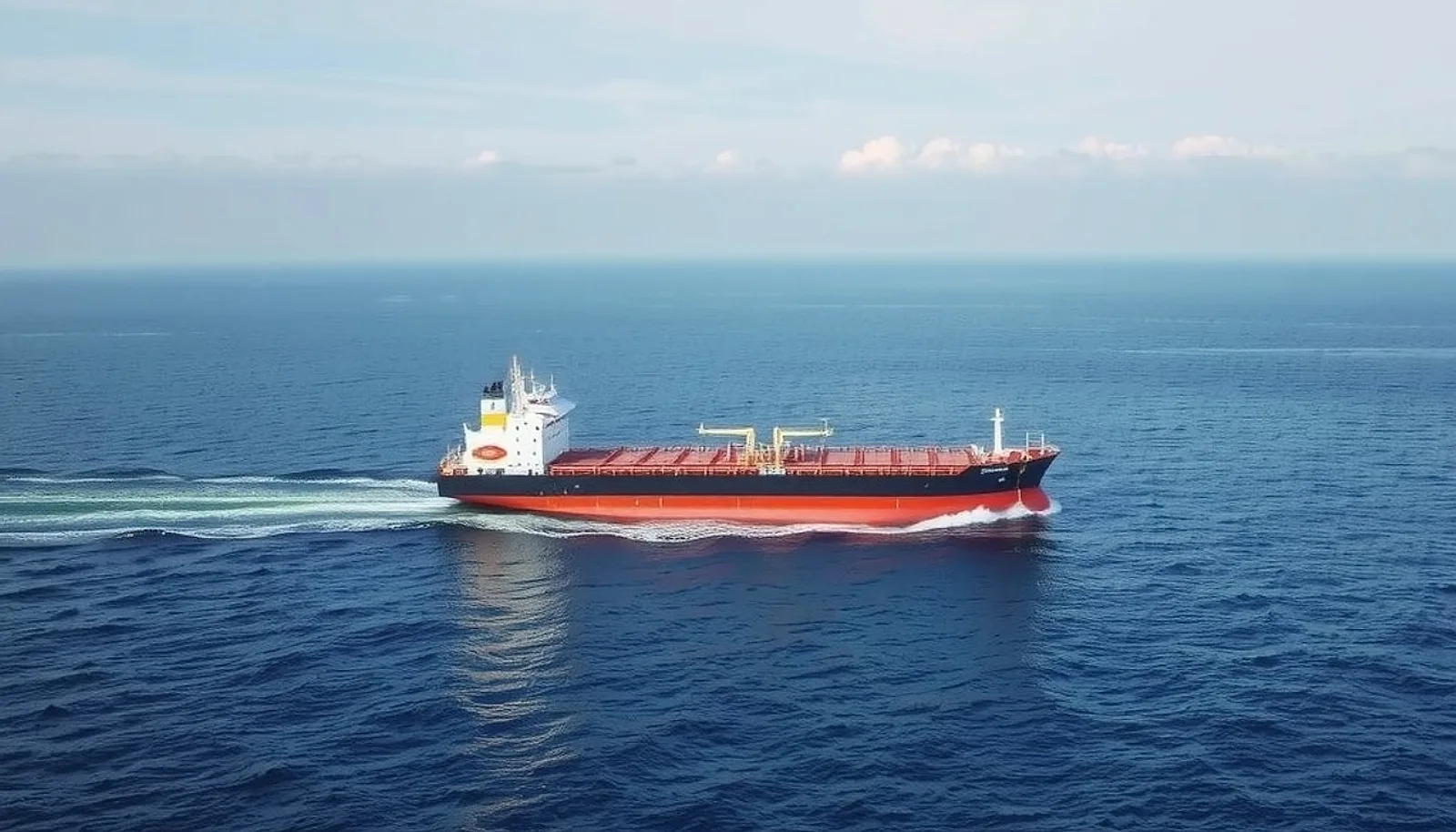
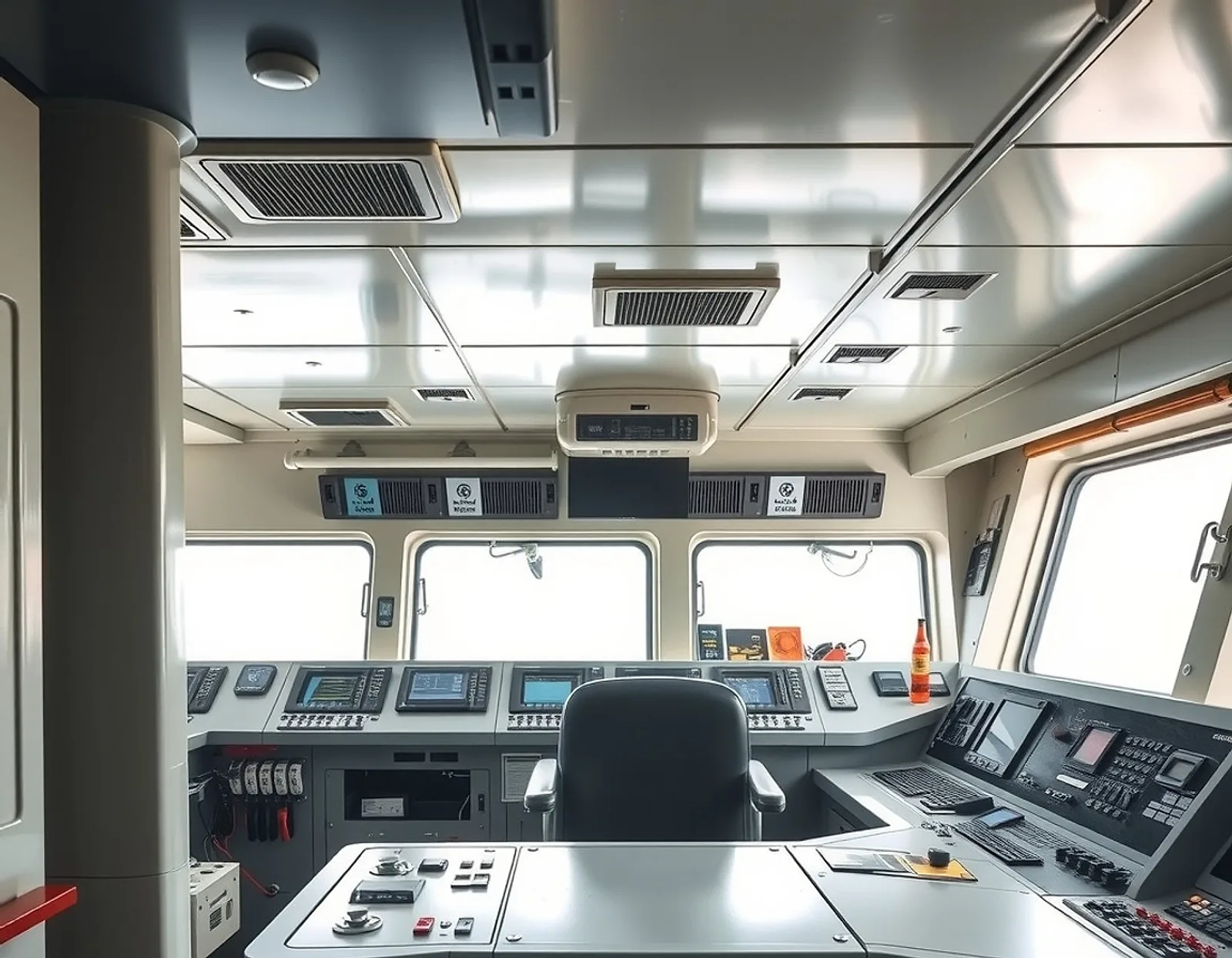

330°FAQ
Ship management questions
Plain answers about scope, responsibility and agreements. Browse every question in one place.
01What is included in full ship management?
Full ship management normally combines technical management, crew management, safety and compliance, and operational support such as voyage coordination, supplies and reporting. The exact split of duties is set in a written agreement, which also records what the owner keeps control of, such as chartering decisions and major capital expenditure.
02Who is responsible for what between the ship owner and the manager?
The owner remains ultimately responsible for the vessel and sets the budget and strategy, while the manager carries out day-to-day duties delegated by agreement. The responsibility wheel on this page shows, area by area, what a manager typically handles and what an owner usually retains or approves.
03What is a ship management agreement?
A ship management agreement is the contract between an owner and a manager that defines the scope of services, reporting, authority limits, budgets and termination terms. Industry standard forms are commonly used as a starting point, and the details are then adapted to the vessel and the owner's needs.
04Is it better to manage ships in house or outsource ship management?
Outsourcing suits owners who want specialist support without building a full shore team, while in house management suits owners who want direct control and have the scale to justify it. Many choose a middle path, outsourcing selected functions. The right answer depends on fleet size, trading pattern and internal expertise.
05How does a manager keep the owner informed?
A manager normally provides regular reports on vessel condition, maintenance progress, expenditure against budget, crew matters and upcoming inspections, plus prompt notice of incidents or deficiencies. The reporting format and frequency are agreed at the start and can be adjusted as the relationship develops.
06Can ship management cover vessels of different types?
Yes. The management framework is similar across vessel types, but priorities differ: tankers lean on cargo system and vetting readiness, bulk carriers on hull and hold condition, container ships on schedule reliability, and offshore vessels on specialised equipment and crew competence. Plans are tailored to the vessel.
360°Set a course
Talk through your fleet
Tell us the vessel type and the support you are considering. We will come back with questions and a proposed scope.