
150°Compliance and safety
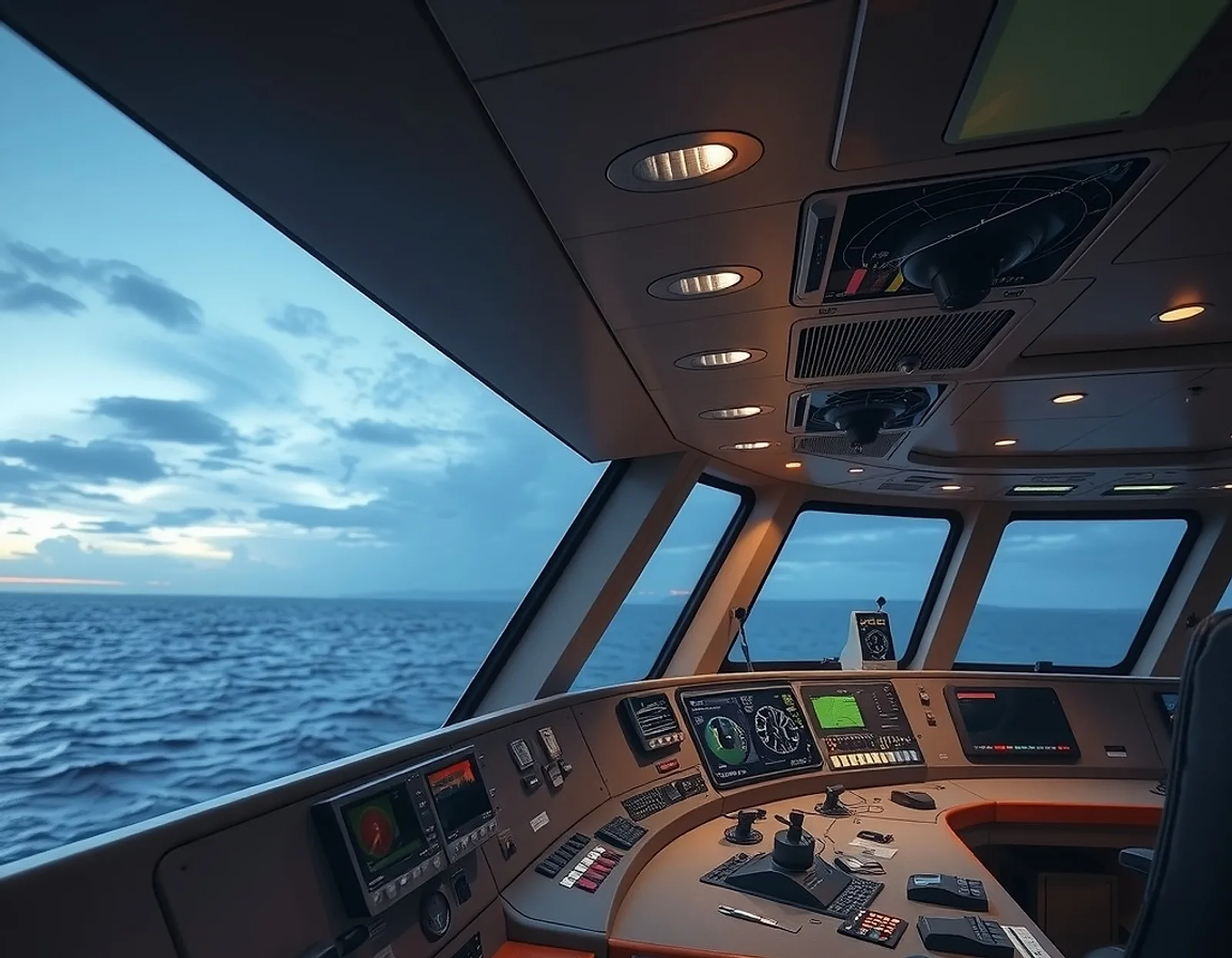
Rules made practical, inspections made calm
Safety management, security and pollution rules explained in plain language, with audit, PSC and vetting preparation support.
170°The rulebook, explained
Six frameworks, in neutral words
Explanations only. They describe what the rules are, not any approval or certificate held by North East.
International Safety Management Code
Requires a documented safety management system for the company and its ships, covering safe operation, pollution prevention and emergency response.
Ship and Port Facility Security Code
Sets security responsibilities, including assessments, ship security plans and designated security officers.
Prevention of pollution from ships
Annexes addressing oil, noxious liquids, sewage, garbage and air emissions.
Maritime Labour Convention, 2006
Seafarers’ working and living conditions, from contracts to rest hours and repatriation.
Safety of Life at Sea
The core convention on ship construction, equipment and operation, home to the ISM and ISPS Codes.
Training and certification
Minimum standards for seafarer training, certification and watchkeeping.
200°Compliance calendar
The five-year rhythm of surveys and audits
Select a row to see what it is. This is a generic picture of common cycles, not a schedule for any particular ship.
Annual survey
Every year, close to the anniversary of the class certificate, there is normally a survey window in which the vessel is examined in general terms. Missing the window can put certificates at risk, so managers track each date.
Intermediate survey
Around the second or third anniversary, class normally carries out a more detailed examination than the annual survey. Scope depends on vessel type and age, and it is set by the classification society.
Special survey
Roughly every five years, class renews the certificate through a comprehensive survey, often called the special or renewal survey. It is the largest item in the cycle and is planned long in advance.
Bottom inspection
The underwater hull is normally examined twice in a five year period, either in dry dock or by an approved in-water method where permitted. Docking plans are built around these dates.
Safety audits
Safety management and security systems are typically reviewed internally every year, with external verification at intervals and a renewal after several years. The flag or recognised organisation sets exact timing.
Crew certificates
Seafarer certificates and medicals expire on their own cycles. A rolling tracker shows who needs renewal long before the date, so rotations are planned without surprises.
General explanation only. Always follow the actual rules of the classification society and the flag administration for your vessel.
230°PSC and vetting

Be ready before the gangway goes down
Port state control checks ships against international rules; vetting inspections assess suitability for charterers. Preparation is the same habit for both: a ship that is in good order, with records to match. See the technical side of readiness too.
- Certificates and records checked in advance
- Mock walk-round against known focus areas
- Defects closed out and verified before arrival
- Crew briefed on what inspectors usually ask
250°Readiness cycle
Prepare, inspect, learn
- 01
Prepare
Review certificates, records and known focus areas.
- 02
Self-inspect
Walk the ship as an inspector would.
- 03
Close out
Fix defects and record the proof.
- 04
Inspect
Support the crew through the visit.
- 05
Learn
Track findings to closure and share lessons.
270°Three kinds of inspection
Class, PSC and vetting compared
290°HSEQ
Health, safety, environment and quality
Health and safety
Risk assessments, permits to work and incident learning that crews actually use.
Environment
Record keeping and equipment checks for pollution prevention.
Quality
Procedures that match how work is done.
Reporting culture
Near misses reported without blame.
Audits
Internal and external audits prepared and followed up.
Continuous improvement
Findings turned into changes, then checked again.
310°Emergency preparedness
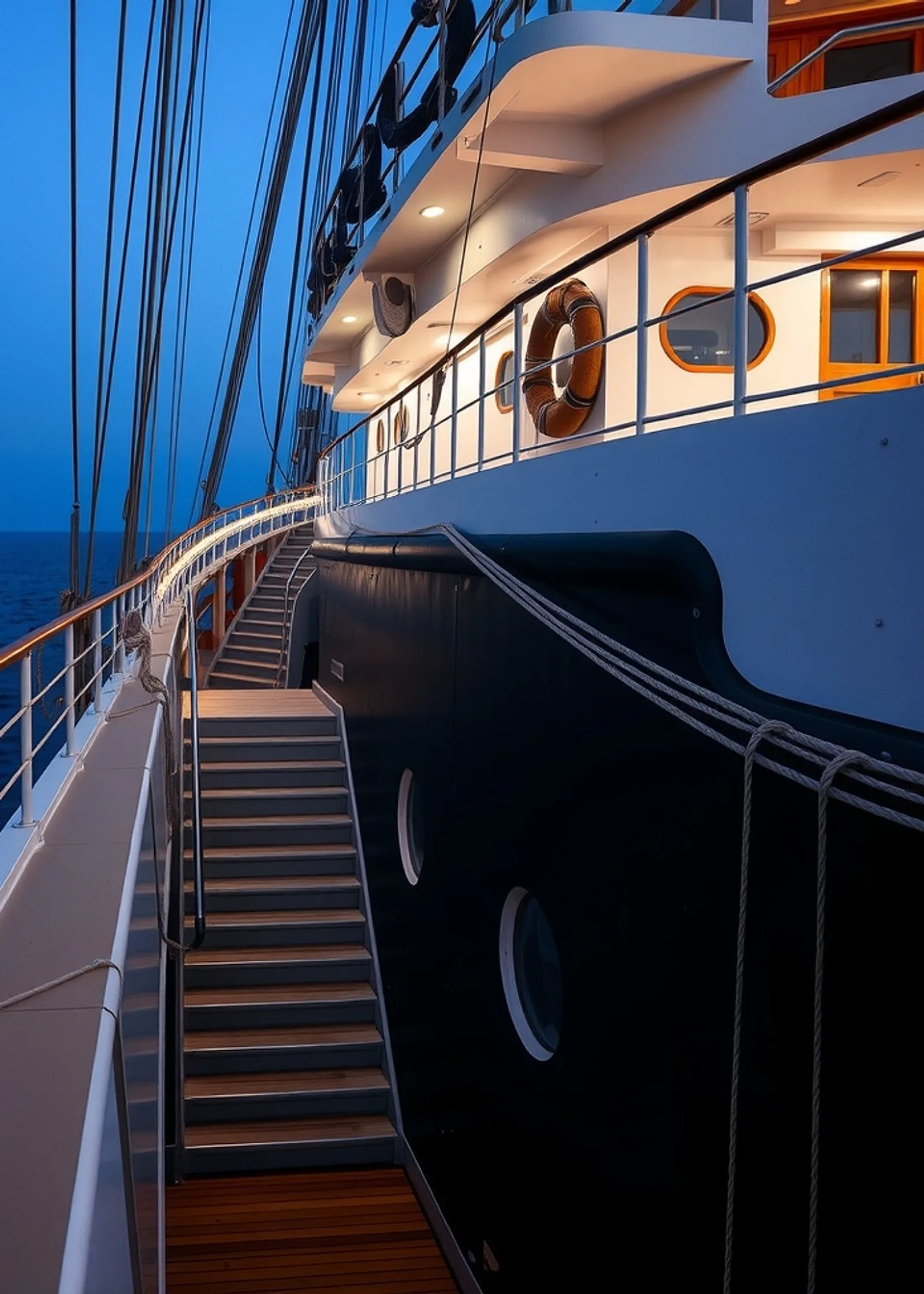
Practise the worst day so it never feels new
Plans only work if people know them. Scheduled drills, tested equipment and short debriefs turn paper procedures into habits. Crew competence ties directly to crew management.
- Defined procedures for fire, flooding, collision, spill and medical cases
- Regular drills with honest debriefs
- Contact lists kept current
325°Safety at work
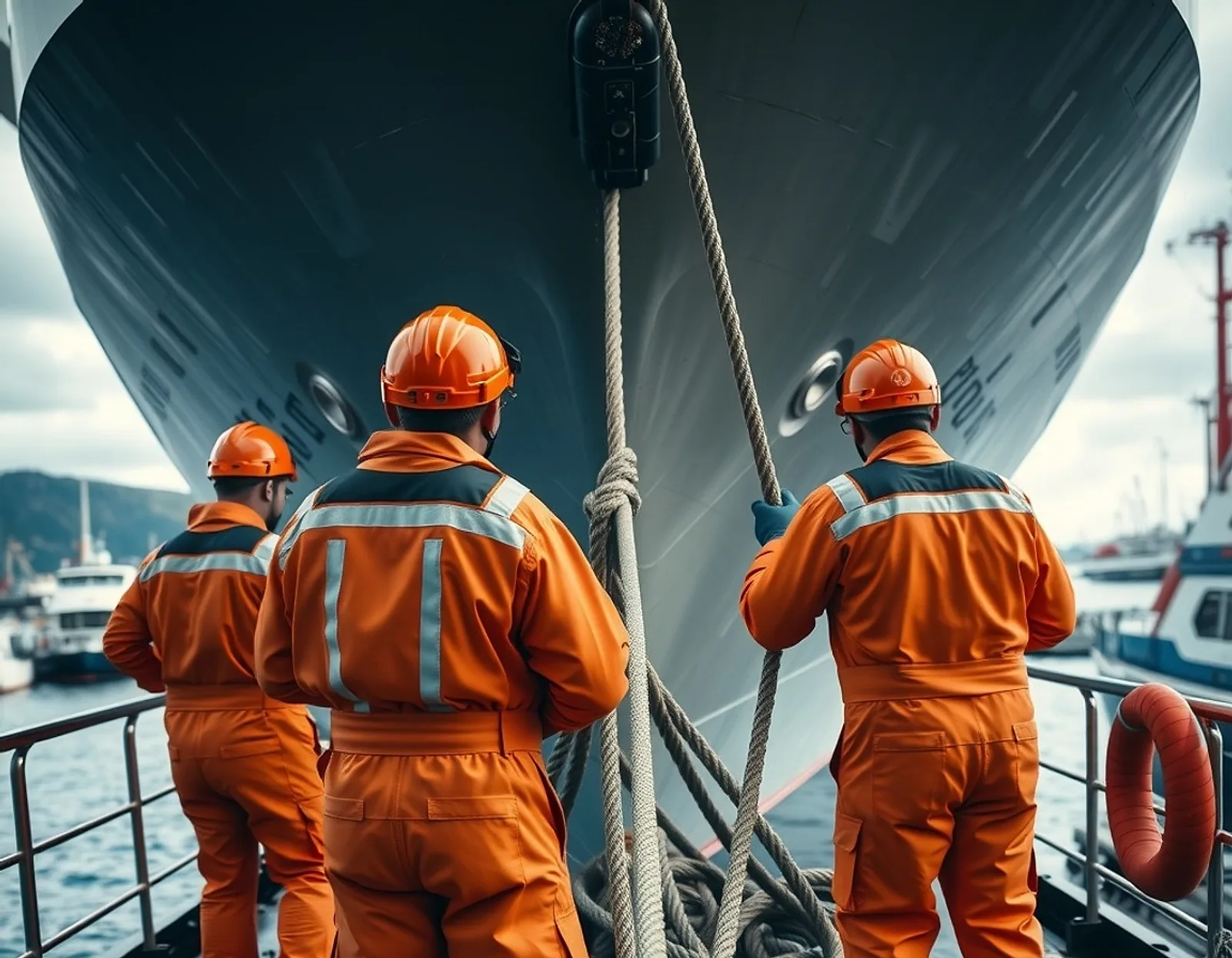
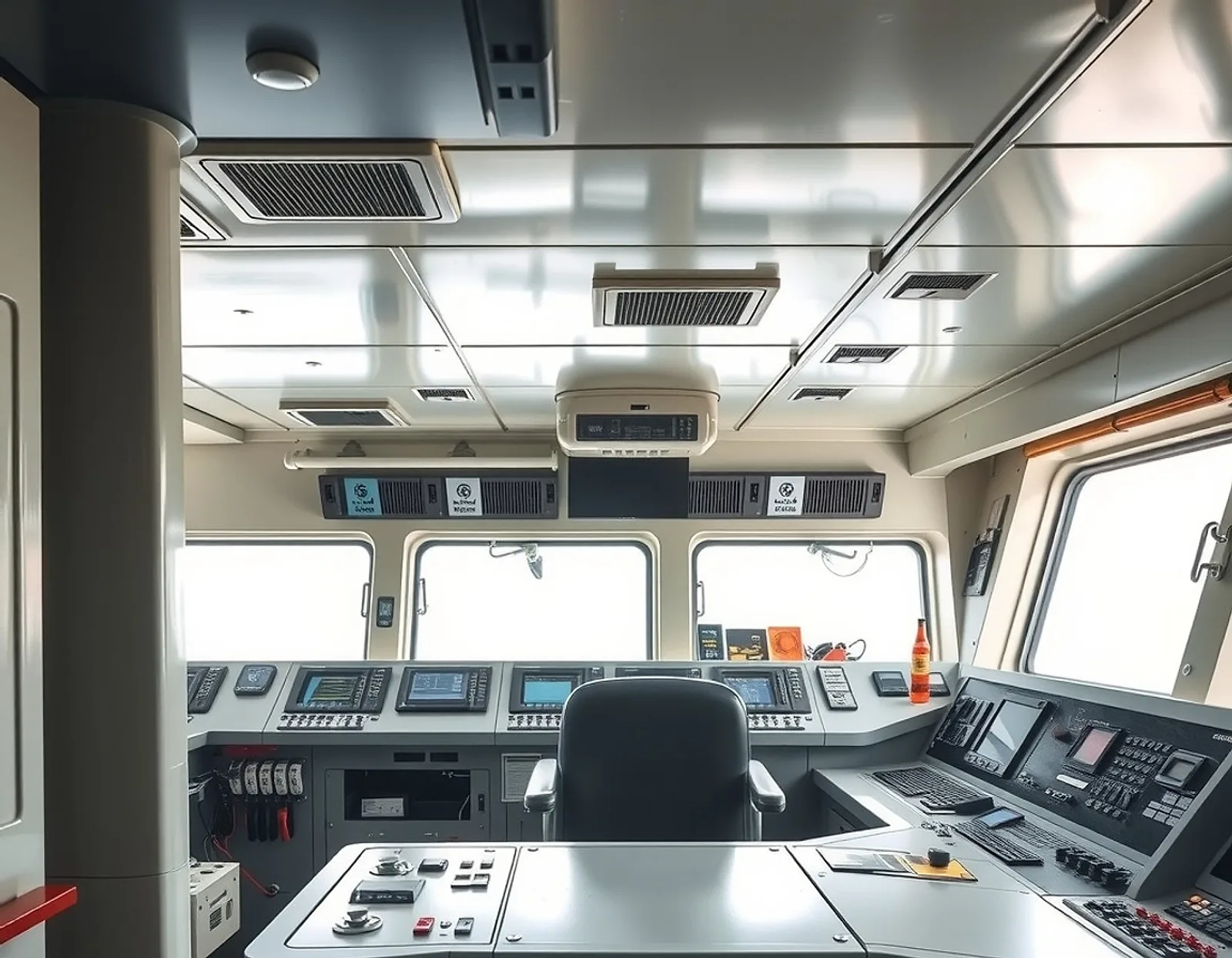
What readiness looks like
340°FAQ
Compliance questions
ISM, ISPS, MARPOL, PSC and vetting in plain terms. See the full FAQ.
01What is the ISM Code?
The ISM Code is the International Safety Management Code, part of the SOLAS framework. It requires a company and its ships to run a documented safety management system covering safe operation, pollution prevention, emergency response and continual improvement. Compliance support focuses on keeping that system practical, current and followed on board.
02What is the ISPS Code?
The ISPS Code is the International Ship and Port Facility Security Code. It sets out security responsibilities for ships and port facilities, including security assessments, ship security plans and designated security officers. Support includes helping keep plans, drills and records aligned with the flag and port requirements.
03What is MARPOL?
MARPOL is the International Convention for the Prevention of Pollution from Ships. Its annexes address oil, noxious liquids, sewage, garbage and air emissions, among others. Compliance support covers record keeping, equipment checks and crew awareness so the ship's pollution prevention duties are met in daily practice.
04How does ship management help with PSC and vetting inspections?
Ship management helps by preparing the ship and paperwork before inspections. This means checking certificates, running self-inspections against known focus areas, closing out defects, briefing the crew and tracking corrective actions after the visit, so findings are fewer and are resolved quickly.
05What is the difference between port state control and vetting?
Port state control is a statutory inspection by a port authority checking foreign ships against international conventions. Vetting, such as SIRE for tankers, is an inspection programme used by charterers and cargo interests to assess a vessel's suitability. Both look at safety, but they serve different parties.
06What does emergency preparedness involve?
Emergency preparedness involves defined procedures, trained crew, regular drills and tested equipment for situations such as fire, flooding, collision, grounding, oil spill, medical emergency or security threat. Support includes reviewing plans, scheduling drills, keeping contact lists current and learning from every exercise.
360°Set a course
Walk into the next inspection prepared
Tell us the vessel type and the inspection or audit coming up. We will reply with a suggested preparation plan.