
300°Questions and answers
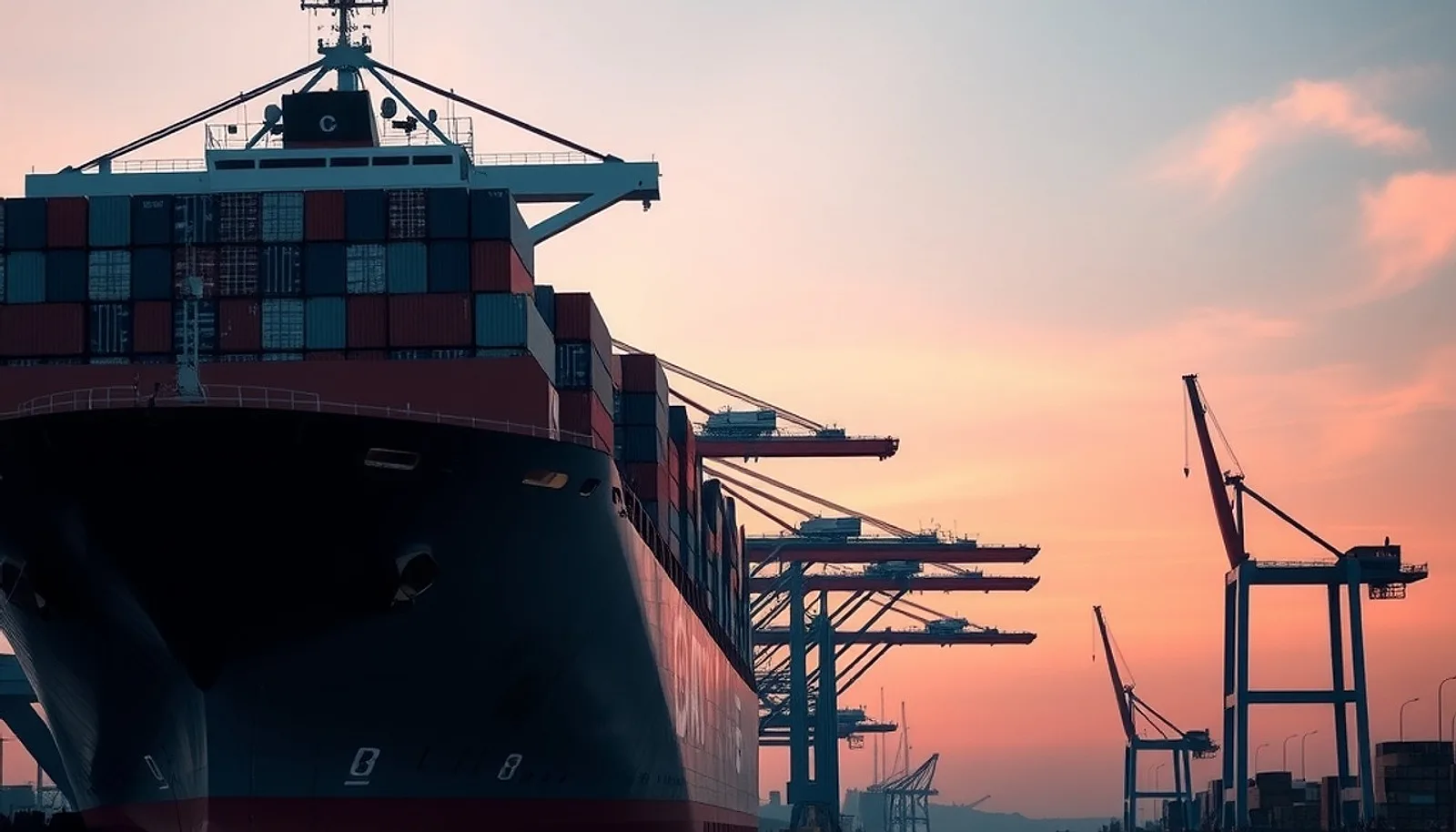
Ship management, answered
54 answers on ship management, crewing, compliance, voyages and consultancy, grouped by topic.
01Topic
General questions
01What does a ship management company do?
A ship management company runs a vessel on behalf of its owner. It coordinates technical upkeep, crewing, safety and compliance, voyage operations and reporting, so the owner can focus on ownership and commercial decisions while the ship stays operational, documented and ready for inspection.
02What is the difference between technical and commercial ship management?
Technical management looks after the ship itself: maintenance, spares, surveys, dry-docking and class matters. Commercial management looks after earning from it: chartering support, voyage estimates, monitoring and claims. Many owners combine both under one ship management agreement, while others split them between providers.
03What services does North East Management Consultancy FZ-LLC offer?
North East offers international ship management services covering technical management, crew management, commercial and chartering support, compliance and safety support, and marine consultancy. Services can be taken together as a full package or individually, depending on what the owner already handles in house.
04Can I use North East for only one part of ship management?
Yes. Services are modular, so an owner can ask for support with a single area, such as crew documentation or inspection preparation, and add other areas later. The scope is written down at the start so that each party knows exactly what is handled and what stays with the owner.
05Which vessel types does the service cover?
The service approach applies to tankers, bulk carriers, container ships, general cargo vessels and offshore support vessels. Each type has different maintenance, crewing and inspection priorities, so the planning tools on this site let you describe your vessel type and see which service areas usually matter most.
06How do I start a conversation about ship management?
Send an email to [email protected] with your vessel type, the number of vessels and the services you are considering. The enquiry builder on this site prepares that email for you. There is no obligation, and no price is quoted before the scope has been discussed.
02Topic
Ship management
01What is included in full ship management?
Full ship management normally combines technical management, crew management, safety and compliance, and operational support such as voyage coordination, supplies and reporting. The exact split of duties is set in a written agreement, which also records what the owner keeps control of, such as chartering decisions and major capital expenditure.
02Who is responsible for what between the ship owner and the manager?
The owner remains ultimately responsible for the vessel and sets the budget and strategy, while the manager carries out day-to-day duties delegated by agreement. The responsibility wheel on this page shows, area by area, what a manager typically handles and what an owner usually retains or approves.
03What is a ship management agreement?
A ship management agreement is the contract between an owner and a manager that defines the scope of services, reporting, authority limits, budgets and termination terms. Industry standard forms are commonly used as a starting point, and the details are then adapted to the vessel and the owner's needs.
04Is it better to manage ships in house or outsource ship management?
Outsourcing suits owners who want specialist support without building a full shore team, while in house management suits owners who want direct control and have the scale to justify it. Many choose a middle path, outsourcing selected functions. The right answer depends on fleet size, trading pattern and internal expertise.
05How does a manager keep the owner informed?
A manager normally provides regular reports on vessel condition, maintenance progress, expenditure against budget, crew matters and upcoming inspections, plus prompt notice of incidents or deficiencies. The reporting format and frequency are agreed at the start and can be adjusted as the relationship develops.
06Can ship management cover vessels of different types?
Yes. The management framework is similar across vessel types, but priorities differ: tankers lean on cargo system and vetting readiness, bulk carriers on hull and hold condition, container ships on schedule reliability, and offshore vessels on specialised equipment and crew competence. Plans are tailored to the vessel.
03Topic
Technical management
01What is technical ship management?
Technical ship management is the care of the vessel as a physical asset. It covers planned maintenance, repairs, spare parts, surveys, dry-docking, inspections and liaison with class and flag administrations, with the aim of keeping the ship safe, seaworthy and compliant at the lowest sensible lifecycle cost.
02What is a planned maintenance system on a ship?
A planned maintenance system is a structured schedule that tells the crew and shore team which equipment must be inspected, serviced or overhauled, and when. It is driven by running hours or calendar intervals, records completed work, and helps prevent breakdowns by catching wear before it becomes failure.
03What does dry-docking supervision involve?
Dry-docking supervision involves preparing the work specification, obtaining and comparing yard quotations, attending the vessel during the docking, checking that work is done to specification and agreed standard, controlling variations and closing out documentation. It protects the owner's budget, schedule and the quality of hull and machinery work.
04How are spare parts and stores managed?
Spares and stores are managed through a defined list of critical and routine items, minimum stock levels and an approval process for requisitions. Good control balances having the right part on board when needed against tying up money in stock, and it keeps purchasing traceable for the owner.
05What is class and flag liaison?
Class and flag liaison means handling communication with the classification society and the flag administration on surveys, certificates, conditions of class and statutory requirements. A manager tracks due dates, prepares the vessel and paperwork, and follows up findings so that certificates stay valid and nothing falls overdue.
06How does technical management help with vetting and inspections?
Technical management helps by keeping equipment in good order, records up to date and defects closed out before an inspector arrives. Pre-inspection checks, mock walk-rounds and corrective action tracking turn inspection readiness into a routine habit rather than a last-minute scramble.
04Topic
Crew management
01What is included in crew management?
Crew management covers recruitment and selection, manning scale planning, checking certificates and medicals, contracts, travel and joining arrangements, rotations, welfare, training records and payroll coordination. It ensures a vessel is crewed with competent, properly documented seafarers in line with flag and international requirements.
02What is STCW and why does it matter for crew?
STCW is the International Convention on Standards of Training, Certification and Watchkeeping for Seafarers. It sets minimum qualification and training standards for seafarers on merchant ships, so crew management involves checking that each person holds valid, appropriate certificates for the rank and vessel type.
03What is the Maritime Labour Convention 2006?
The Maritime Labour Convention 2006, known as MLC 2006, is an international labour standard for seafarers. It covers matters such as employment agreements, hours of work and rest, accommodation, food, medical care and repatriation. Crew managers support compliance by keeping the required documents and records in order.
04How does crew rotation planning work?
Crew rotation planning schedules when each seafarer joins and leaves the vessel, taking contract length, certificate validity, travel logistics and port access into account. Good planning avoids gaps, keeps experienced officers overlapping with new joiners, and reduces last minute travel costs and stress for crew.
05How is seafarer welfare supported?
Seafarer welfare is supported through clear contracts, timely payment, reliable communication with families where possible, access to medical support, attention to rest hours and a responsive shore contact for problems. Welfare is treated as part of safe operation, because rested and respected crews make safer decisions.
06What does payroll coordination involve?
Payroll coordination involves preparing wage accounts from contract terms, recording overtime and deductions, arranging allotments and ensuring payments are made accurately and on time. The aim is transparent, auditable pay records that seafarers and owners can both understand and rely on.
05Topic
Commercial and chartering
01What is commercial ship management?
Commercial ship management supports the earning side of a vessel. It includes assistance with finding and evaluating employment, preparing voyage estimates, monitoring performance against charter terms, coordinating port costs and claims, and producing reports so owners can make informed decisions about their ships.
02What does chartering support mean?
Chartering support means helping an owner with the groundwork around fixing a vessel: analysing market information, preparing estimates, reviewing proposed terms with the owner's decision in mind, and coordinating the operational handover. Final commercial decisions and signing authority stay with the owner unless agreed otherwise.
03What is a voyage estimate?
A voyage estimate is a calculation that compares expected revenue with expected voyage costs such as bunkers, port charges, canal fees and time, to indicate the likely result of a voyage. It is an estimate based on assumptions, so it is reviewed and updated as real information arrives.
04How is a voyage monitored?
A voyage is monitored by comparing actual progress with the plan: position, speed, fuel consumption, weather impact and port timings. Deviations are flagged early so the owner can understand cause and effect, protect performance claims and adjust plans before small problems become costly.
05What are port cost and claims coordination?
Port cost coordination involves checking port agent proformas, tracking disbursements and reconciling final accounts. Claims coordination involves collecting evidence, such as logs and statements of facts, and organising it so that valid claims, for example for delay or damage, can be presented clearly and on time.
06What reports does an owner receive?
An owner typically receives voyage reports, performance summaries, port cost reconciliations, budget comparisons and claims status updates. Format and frequency are agreed up front, and the goal is to give clear, comparable information rather than long documents that are hard to act on.
06Topic
Compliance and safety
01What is the ISM Code?
The ISM Code is the International Safety Management Code, part of the SOLAS framework. It requires a company and its ships to run a documented safety management system covering safe operation, pollution prevention, emergency response and continual improvement. Compliance support focuses on keeping that system practical, current and followed on board.
02What is the ISPS Code?
The ISPS Code is the International Ship and Port Facility Security Code. It sets out security responsibilities for ships and port facilities, including security assessments, ship security plans and designated security officers. Support includes helping keep plans, drills and records aligned with the flag and port requirements.
03What is MARPOL?
MARPOL is the International Convention for the Prevention of Pollution from Ships. Its annexes address oil, noxious liquids, sewage, garbage and air emissions, among others. Compliance support covers record keeping, equipment checks and crew awareness so the ship's pollution prevention duties are met in daily practice.
04How does ship management help with PSC and vetting inspections?
Ship management helps by preparing the ship and paperwork before inspections. This means checking certificates, running self-inspections against known focus areas, closing out defects, briefing the crew and tracking corrective actions after the visit, so findings are fewer and are resolved quickly.
05What is the difference between port state control and vetting?
Port state control is a statutory inspection by a port authority checking foreign ships against international conventions. Vetting, such as SIRE for tankers, is an inspection programme used by charterers and cargo interests to assess a vessel's suitability. Both look at safety, but they serve different parties.
06What does emergency preparedness involve?
Emergency preparedness involves defined procedures, trained crew, regular drills and tested equipment for situations such as fire, flooding, collision, grounding, oil spill, medical emergency or security threat. Support includes reviewing plans, scheduling drills, keeping contact lists current and learning from every exercise.
07Topic
Marine consultancy
01What is marine consultancy?
Marine consultancy is independent advice on technical, operational and commercial questions about ships. It can include pre-purchase and newbuild support, due diligence, performance and cost reviews, and wider management advice, giving owners and investors a clearer basis for decisions that involve large sums.
02What does pre-purchase support involve?
Pre-purchase support helps a buyer understand a second-hand vessel before committing. It typically includes reviewing documents and records, planning and attending an inspection, noting condition, estimating near term costs such as repairs and surveys, and summarising risks so that the buyer can negotiate and decide with eyes open.
03How can newbuild projects be supported?
Newbuild support means helping owners follow the project from specification to delivery: reviewing technical specifications and plans, monitoring progress, supporting crew readiness and planning the handover. The aim is a ship that is practical to operate and maintain, not just one that meets the contract.
04What is due diligence in ship transactions?
Due diligence in ship transactions is the structured checking of a vessel's condition, records, certificates, class status and operating history before a deal. It reduces surprises by identifying issues early, quantifying them where possible and helping the parties agree how they will be handled.
05How can fleet performance and cost be optimised?
Fleet performance and cost are optimised by measuring what matters, such as fuel consumption, maintenance spend, off-hire causes and procurement costs, then comparing vessels and periods to find avoidable losses. Improvements are then prioritised by effect and effort, and tracked so they stick.
06Is marine consultancy only for large owners?
No. Smaller owners and first-time buyers often benefit most, because they may not have an in house technical team to review a purchase or a cost problem. Consultancy can be limited to a single question, such as one inspection or one cost review, with a clearly defined output.
08Topic
About the company
01Who is North East Management Consultancy FZ-LLC?
North East Management Consultancy FZ-LLC is a company providing international ship management services and marine consultancy. It works with ship owners and operators across technical, crew, commercial and compliance matters, with a focus on clear scope, honest reporting and practical support.
02What does the name North East mean?
The name North East refers to bearing and direction, the idea of a steady heading. It is reflected in the compass mark in the logo and in the way the company talks about work: setting a clear course, checking position regularly and correcting early rather than late.
03How does North East approach ship management?
North East approaches ship management through written scope, regular reporting and early communication. Each engagement starts by understanding the vessel, trading pattern and the owner's priorities, then agreeing which duties are handled by the company and which stay with the owner.
04Does North East work with owners of any size?
The services are designed to scale from a single vessel to larger fleets. Because services are modular, a smaller owner can start with one function such as crew documentation or inspection preparation, and expand later if the arrangement is working well for both sides.
05What information does North East publish about its credentials?
This website describes services and ways of working in general terms and does not claim certifications, approvals, fleet figures or client names. Anything specific that matters to your decision, including scope, responsibilities and documents, should be requested and confirmed in writing by email before engagement.
06How can I reach the team?
The team can be reached by email at [email protected]. There is no phone line or contact form backend on this site, so the enquiry builder simply prepares an email in your own mail application. Include your vessel type and the services you are interested in to speed up the reply.
09Topic
Contact and enquiries
01How do I contact North East Management Consultancy FZ-LLC?
Contact the company by email at [email protected]. Describe your vessel type, number of vessels and the services you are interested in, or use the enquiry builder on this page, which prepares a ready-to-send message in your own email application with those details filled in.
02What should I include in a first enquiry?
Include the vessel type, the number of vessels, the services you are considering and any timing that matters, such as an upcoming survey or crew change. You do not need to share sensitive details at the first step. A short, clear message is enough to start the discussion.
03Does this website send my details to a server?
No. The enquiry builder on this site works entirely in your browser and only creates an email draft that opens in your own mail application. Nothing is transmitted to a server by this website, and you can review and edit the message before choosing whether to send it.
04Will I receive a price straight away?
No price is quoted on this website or through the enquiry builder. Scope and fees depend on vessel type, trading pattern and the services required, so they are discussed once the team understands what you need and what you already handle yourself.
05How quickly will I get a reply?
Replies are sent by email once the team has reviewed your message. No guaranteed response time is promised on this website, so if your matter is urgent, say so clearly in the subject line and describe the deadline in the first lines of your message.
06Can I ask for a service that is not listed?
Yes. The listed services cover the most common needs, but an enquiry about a related ship management or marine consultancy question is welcome. Describe what you need, and the team will let you know by email whether and how it can be supported.
360°Set a course
Still have a question?
Email us your question and the vessel type. We reply in writing.