
090°Crew management
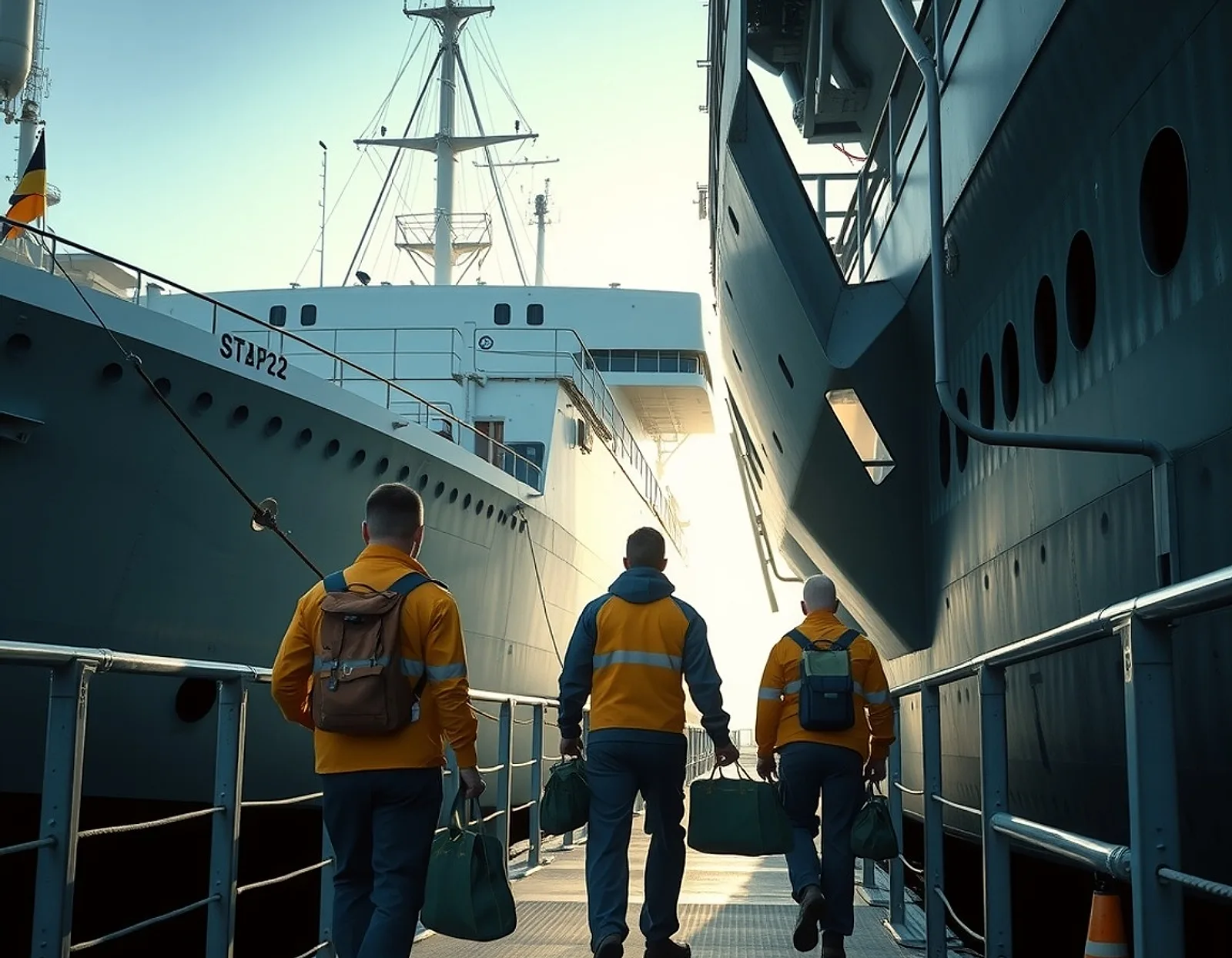
The right people, properly documented, on time
Recruitment, manning, STCW and MLC paperwork, rotations, welfare and payroll coordination for the people who run your ship.
110°Six areas
What crew management includes
Recruitment
Sourcing and selecting officers and ratings suited to the vessel and trade.
Manning
Crew lists that meet the flag’s minimum safe manning and the owner’s standards.
Documentation
Certificates, medicals, visas and contracts checked and tracked.
Rotations
Joiners and leavers planned around contracts, travel and port access.
Welfare
Prompt pay, reachable shore contacts and attention to rest hours.
Payroll coordination
Wage accounts, allotments and deductions recorded transparently.
140°Recruitment

Selection that looks beyond the certificate
A valid certificate is the minimum. Good selection also considers experience on similar ships, references and how a person will fit the team. Documentation checks then link directly to compliance and safety requirements.
- Competence checked against the rank and vessel type
- References and sea service reviewed
- Fit for the trade, not just the certificate
170°Seafarer lifecycle
From first contact to sign-off
- 01
Select
Interview, verify and confirm suitability.
- 02
Document
Contract, certificates, medical and travel papers.
- 03
Join
Travel, joining and handover on board.
- 04
Serve
Rest hours, training and welfare support.
- 05
Sign off
Relief arrives, accounts close, records are updated.
200°Two conventions
STCW and MLC 2006, explained
Neutral summaries of the two standards that shape most crew paperwork. They describe what the rules are, not any approval held by North East.
Training, certification and watchkeeping
An international convention setting minimum qualification and training standards for seafarers. It is why certificates are checked against rank, vessel type and trade.
Maritime Labour Convention, 2006
A labour standard for seafarers covering employment agreements, hours of work and rest, accommodation, food, medical care and repatriation.
230°Rotations
Crew changes that do not surprise
Joiners and leavers are planned against contract length, certificate expiry and port access. The result is fewer gaps, calmer handovers and less last-minute travel cost. It also feeds the planning in full ship management.
- Certificate validity checked before travel
- Overlap between outgoing and incoming officers
- Travel booked early to protect cost and rest
260°Document checklist
What is checked, and why
290°Welfare

Safe ships depend on rested people
Welfare is part of operations. Clear contracts, correct pay, medical access and attention to rest hours reduce risk and help keep good seafarers. Technical staff benefit too: see technical management for how engineers and officers are supported.
- Wages paid accurately and on time
- A shore contact who answers
- Rest hours monitored, not assumed
310°Crew enquiry
Describe your crewing need
Choose the vessel type and select Crew management. The draft opens in your own email app.
325°At sea and ashore
The people behind the ship

340°FAQ
Crew management questions
STCW, MLC, rotations and welfare, answered simply. See all questions and answers.
01What is included in crew management?
Crew management covers recruitment and selection, manning scale planning, checking certificates and medicals, contracts, travel and joining arrangements, rotations, welfare, training records and payroll coordination. It ensures a vessel is crewed with competent, properly documented seafarers in line with flag and international requirements.
02What is STCW and why does it matter for crew?
STCW is the International Convention on Standards of Training, Certification and Watchkeeping for Seafarers. It sets minimum qualification and training standards for seafarers on merchant ships, so crew management involves checking that each person holds valid, appropriate certificates for the rank and vessel type.
03What is the Maritime Labour Convention 2006?
The Maritime Labour Convention 2006, known as MLC 2006, is an international labour standard for seafarers. It covers matters such as employment agreements, hours of work and rest, accommodation, food, medical care and repatriation. Crew managers support compliance by keeping the required documents and records in order.
04How does crew rotation planning work?
Crew rotation planning schedules when each seafarer joins and leaves the vessel, taking contract length, certificate validity, travel logistics and port access into account. Good planning avoids gaps, keeps experienced officers overlapping with new joiners, and reduces last minute travel costs and stress for crew.
05How is seafarer welfare supported?
Seafarer welfare is supported through clear contracts, timely payment, reliable communication with families where possible, access to medical support, attention to rest hours and a responsive shore contact for problems. Welfare is treated as part of safe operation, because rested and respected crews make safer decisions.
06What does payroll coordination involve?
Payroll coordination involves preparing wage accounts from contract terms, recording overtime and deductions, arranging allotments and ensuring payments are made accurately and on time. The aim is transparent, auditable pay records that seafarers and owners can both understand and rely on.
360°Set a course
Crew the ship with confidence
Describe your vessel and manning needs by email and we will reply with the questions that matter.