
120°Commercial and chartering

Numbers and notes that help you decide
Chartering assistance, voyage estimates, monitoring, port cost and claims coordination, reported in a form owners can use.
140°Five supports
Where commercial support fits in
Chartering assistance
Groundwork around employment: market information, option comparison and operational handover. Decisions remain with the owner.
Voyage estimate support
Revenue and cost assumptions laid out clearly and refreshed as facts arrive.
Voyage monitoring
Progress, speed, consumption and port times watched against plan.
Port costs and claims
Proformas checked, disbursements tracked, evidence assembled.
Reporting
Voyage and performance summaries in comparable formats.
170°Voyage lifecycle
Follow a voyage stage by stage
Select a stage to see what happens and where commercial and operational support helps.
Fixture and planning
The vessel is matched to cargo or employment and the broad plan is agreed.
Gathers vessel data, checks readiness and prepares the information the owner needs to decide.
Voyage estimate
Expected revenue is compared with expected costs such as fuel, port charges and time.
Builds the estimate, states the assumptions clearly and updates it as facts change.
Pre-arrival readiness
Documents, stores, crew and equipment are checked before the ship heads to port.
Coordinates agents, certificates, supplies and any pre-arrival notices.
Loading port
Cargo operations begin under the agreed terms and safety procedures.
Follows port timings, records key events and flags delays early.
Passage
The ship sails to plan, with weather, speed and consumption watched throughout.
Monitors progress against plan and reports deviations and their likely causes.
Discharge port
Cargo is delivered, formalities are completed and the voyage nears its end.
Coordinates port services, keeps evidence organised and tracks costs as they arise.
Close-out
Accounts are reconciled and lessons are recorded for the next voyage.
Reconciles port costs, assembles any claims and issues the final voyage report.
200°Estimates
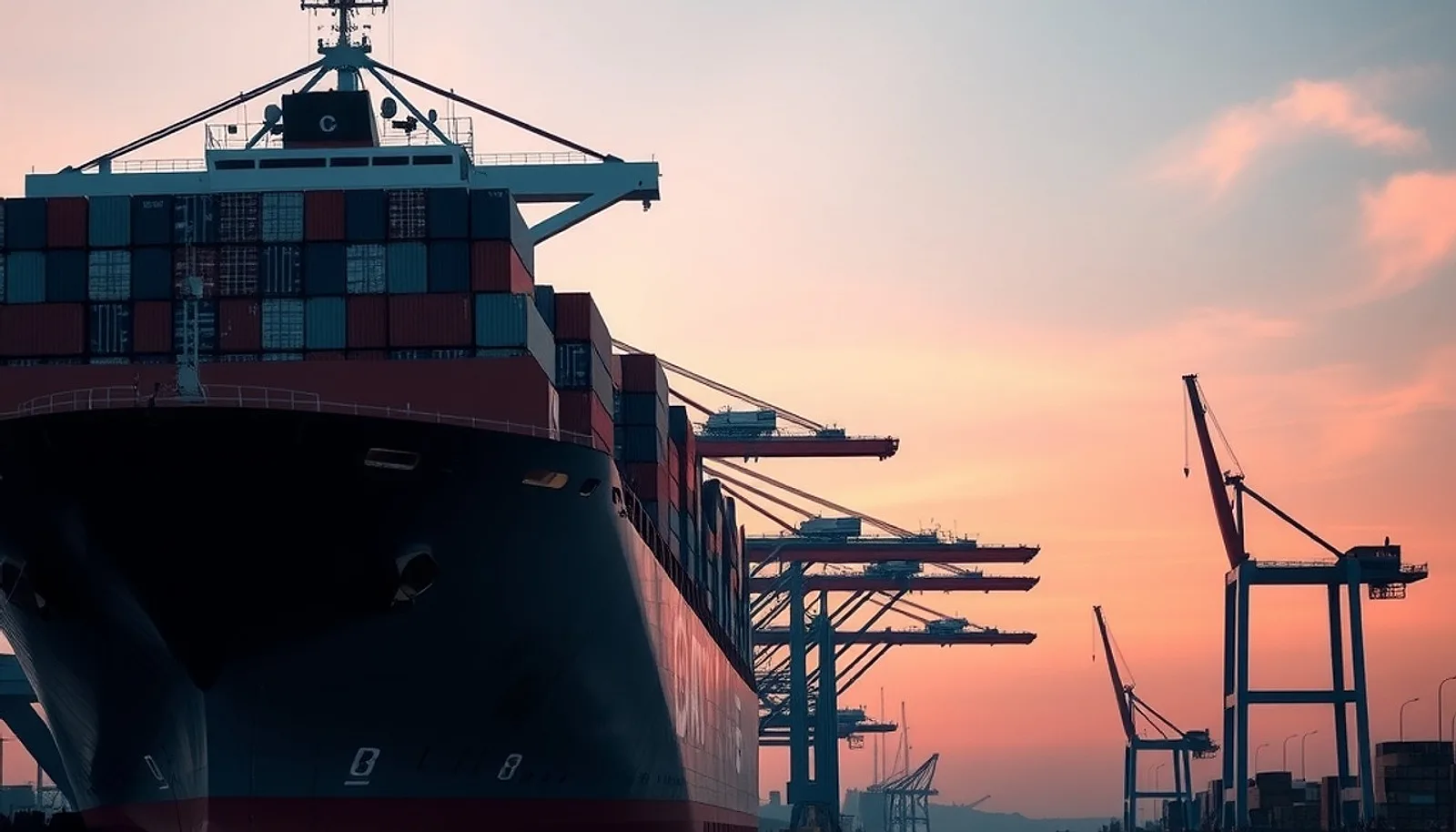
An estimate is a question, not an answer
A voyage estimate compares what a voyage may earn with what it may cost. It rests on assumptions, so good estimates list them and are revisited as facts change. It supports, but never replaces, the owner’s judgment. Technical details feed in from technical management.
- Expected revenue against expected costs
- Fuel, port charges and time in one view
- Assumptions stated, so they can be challenged
230°Charter basics
Voyage charter and time charter, in brief
A general explanation of how the two common arrangements usually differ. Actual terms are always set by the contract.
260°Port costs and claims
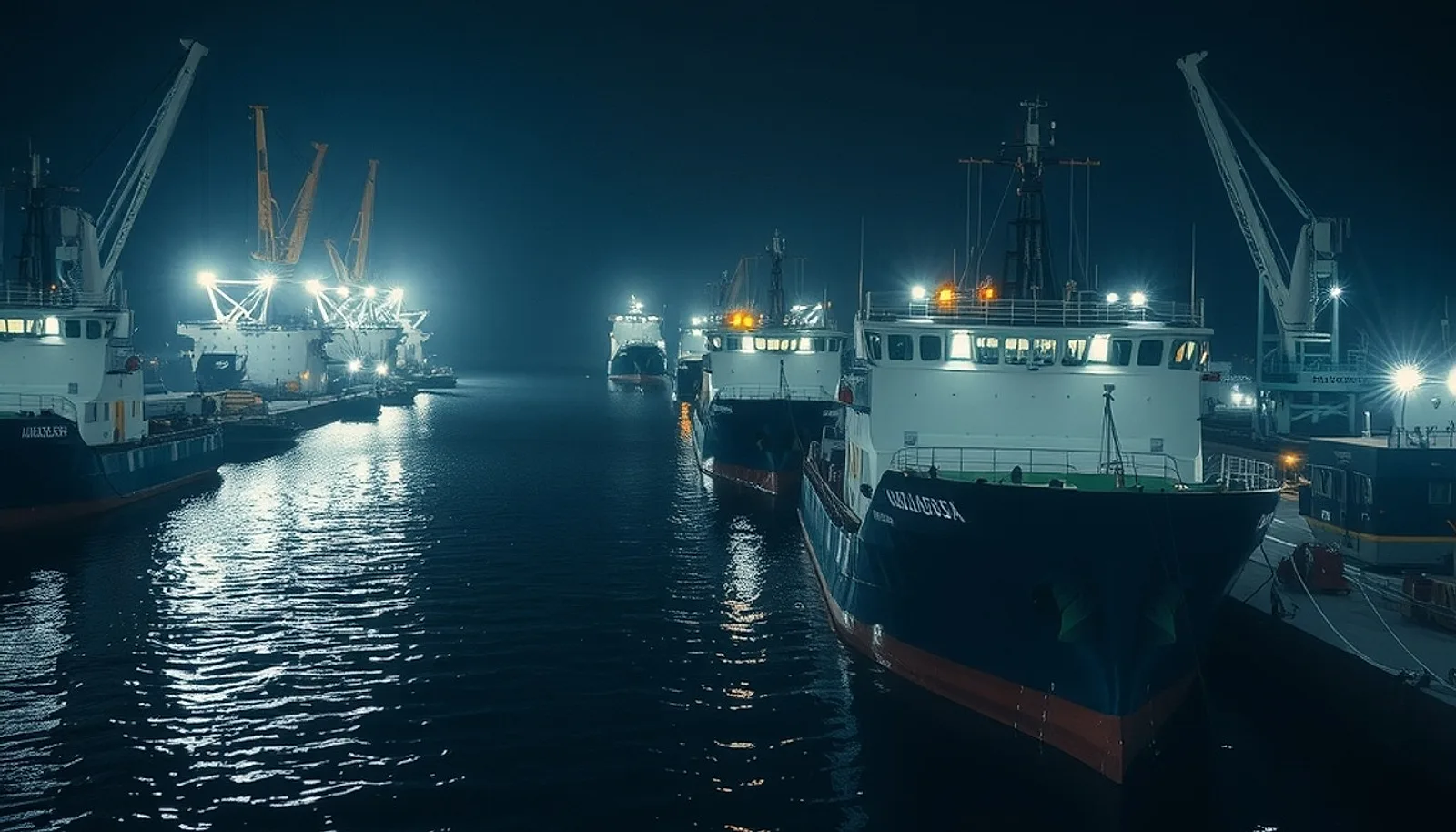
Evidence collected while it is fresh
Disputes are won or lost on records. Keeping port timings, notices and statements organised from the first day makes claims easier to present. The same discipline underpins audit readiness.
- Agent proformas compared to final accounts
- Logs and statements of facts kept organised
- Claims presented clearly and on time
290°Reporting
What an owner receives
- 01
Voyage report
Progress, timings and notable events.
- 02
Performance summary
Speed and consumption against expectations.
- 03
Port cost reconciliation
Estimated against actual disbursements.
- 04
Claims status
Open items, evidence and next steps.
- 05
Budget comparison
Spend against agreed budget.
310°Who decides
What stays with the owner
Fixture decisions
Which employment to accept and on what terms.
Signing authority
Contracts are signed by the owner unless authority is delegated in writing.
Strategy
Trading pattern, risk appetite and sale or purchase of ships.
325°Ports and passages
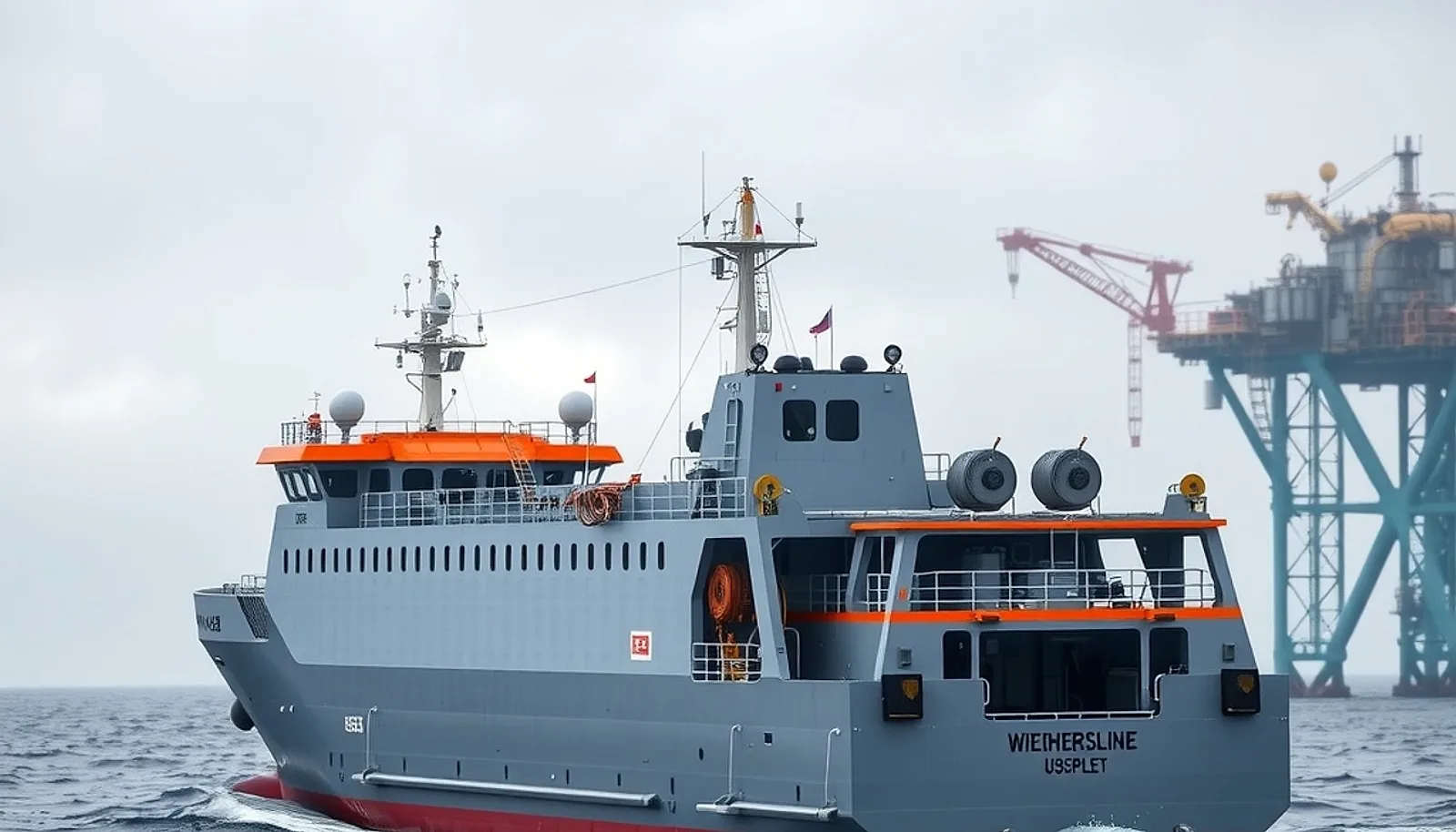
Where voyages begin and end


340°FAQ
Commercial support questions
Estimates, monitoring, port costs and reports. Browse the complete FAQ.
01What is commercial ship management?
Commercial ship management supports the earning side of a vessel. It includes assistance with finding and evaluating employment, preparing voyage estimates, monitoring performance against charter terms, coordinating port costs and claims, and producing reports so owners can make informed decisions about their ships.
02What does chartering support mean?
Chartering support means helping an owner with the groundwork around fixing a vessel: analysing market information, preparing estimates, reviewing proposed terms with the owner's decision in mind, and coordinating the operational handover. Final commercial decisions and signing authority stay with the owner unless agreed otherwise.
03What is a voyage estimate?
A voyage estimate is a calculation that compares expected revenue with expected voyage costs such as bunkers, port charges, canal fees and time, to indicate the likely result of a voyage. It is an estimate based on assumptions, so it is reviewed and updated as real information arrives.
04How is a voyage monitored?
A voyage is monitored by comparing actual progress with the plan: position, speed, fuel consumption, weather impact and port timings. Deviations are flagged early so the owner can understand cause and effect, protect performance claims and adjust plans before small problems become costly.
05What are port cost and claims coordination?
Port cost coordination involves checking port agent proformas, tracking disbursements and reconciling final accounts. Claims coordination involves collecting evidence, such as logs and statements of facts, and organising it so that valid claims, for example for delay or damage, can be presented clearly and on time.
06What reports does an owner receive?
An owner typically receives voyage reports, performance summaries, port cost reconciliations, budget comparisons and claims status updates. Format and frequency are agreed up front, and the goal is to give clear, comparable information rather than long documents that are hard to act on.
360°Set a course
Make the next voyage clearer
Describe your vessel and the support you want around chartering and voyages. We will reply with a suggested scope.